


Blog > How to Read an Italian Menu Like a Local
How to Read an Italian Menu Like a Local
How to Read an Italian Menu Like a Local
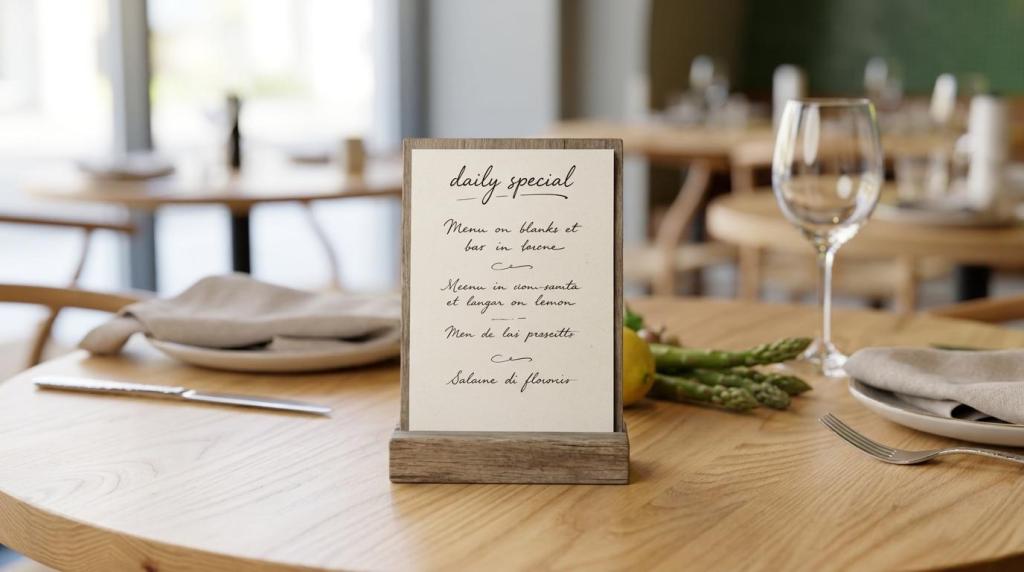
Ordering at an Italian restaurant feels easier when you know how the menu is structured. A few familiar words can help you choose with confidence, whether you are planning a casual lunch, a family dinner, or a special night out at Casa Nova.
Start with how an Italian menu is usually organised
Traditional Italian menus are often grouped into a few simple sections. Once you know the basics, the whole menu becomes much easier to read.
Antipasti
These are starters designed to open the meal. You might see dishes built around cured meats, cheeses, seafood, breads, olives, or lighter share style plates.
Primi
This course usually includes pasta, risotto, gnocchi, or soup. It is often the first hot course and is usually more focused on grains or pasta than meat.
Secondi
Secondi are typically the main protein dishes. This is where you often find fish, chicken, lamb, or beef dishes served as the centre of the meal.
Contorni
These are side dishes, such as vegetables, potatoes, salads, or other accompaniments ordered alongside the main course.
Dolci
This is the dessert section. Expect classic Italian finishes like tiramisu, panna cotta, cannoli, gelato, or seasonal sweets.
A few common Italian words worth knowing
You do not need to speak Italian to order well. A few common words go a long way.
- Al forno, baked
- Alla griglia, grilled
- Al tartufo, with truffle
- Pomodoro, tomato
- Funghi, mushrooms
- Salsiccia, Italian sausage
- Frutti di mare, seafood
- Piccante, spicy
- Crema, cream based
- Dolce, sweet
These small clues often tell you the key flavour or style of the dish before you order.
How locals often order
A full Italian meal can include multiple courses, but that does not mean you need to order everything. Many diners build the meal around the occasion.
For a lighter visit, you might choose a starter and a pasta. For a longer dinner, you may share antipasti, enjoy a primi, then move to a secondi with contorni. If you are dining with a group, sharing a few dishes across the table is often the best way to explore the menu.
What to look for when choosing well
The easiest way to order like a local is to think about balance.
If you begin with rich antipasti, you may want a lighter pasta or seafood main. If you are ordering a hearty secondi, add a fresh salad or vegetable side. If the table is sharing, choose a mix of creamy, fresh, grilled, and slow cooked dishes so the meal feels varied.
Ask about the house favourites
One of the best shortcuts is simply asking what the team recommends. House favourites, seasonal dishes, and signature plates often give you the strongest sense of the restaurant.
At Casa Nova, this is especially helpful if you are choosing for a date night, family dinner, group booking, or a special celebration and want the menu to match the mood.
Keep drinks in mind too
Italian dining is often as much about the overall experience as the food itself. A crisp white can work well with seafood or lighter pasta, while a fuller red often pairs naturally with slow cooked meats, tomato based dishes, and richer mains. If you are unsure, choosing wine by the style of dish is usually a safe place to start.
Reading the menu should feel simple
Once you know the meaning behind a few headings and ingredients, an Italian menu stops feeling unfamiliar and starts feeling inviting. You do not need to overthink it. Look at the course structure, spot the main ingredients, and choose dishes that suit the occasion.
Whether you are joining us for lunch, dinner, or a celebration by the harbour, understanding the menu makes the whole experience smoother and more enjoyable.
what our guest are saying

TROXA

I have been here 3 times with my partner, and have enjoyed the experience every single
time. From the service being so professional and prompt, to the friendliness of the staff.
The food was also delivered to us quickly and was delicious. The only complaint would
be that the crust of the pizza is a little thin, and the first slice of pizza is hard to eat as
the thin crust struggled to hold up the toppings. Would always recommend.
Chantal Battersby
Atmosphare was great,staff friendly and helpful, the food was divine.
MIKY MOO
Amazing Amazing place great atmosphere perfect for people with disabilities and need
to use a wheelchair or walker for was great amazing flavour and money well
spent definitely going back and service was so nice m.